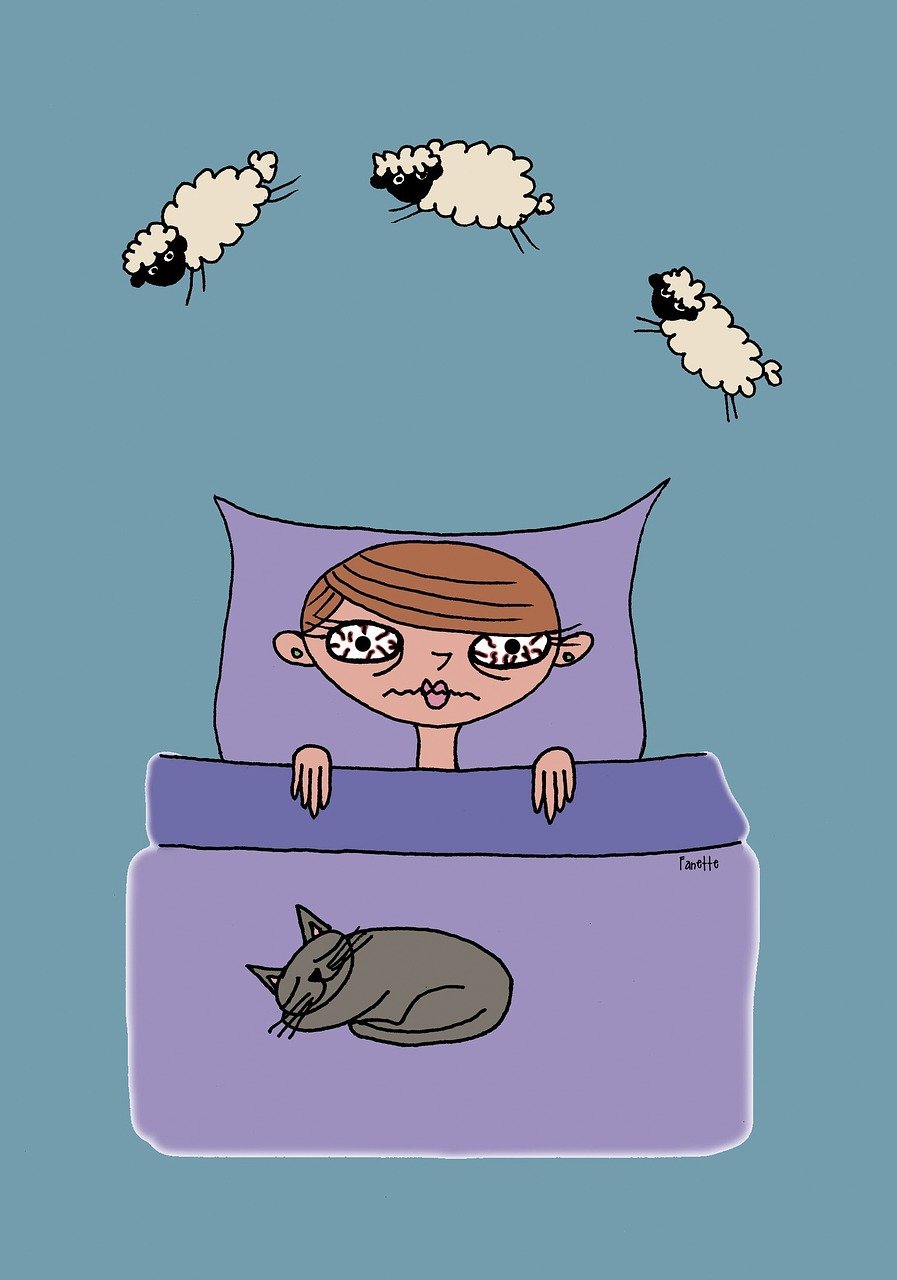
In today’s fast-paced world, sleep is important yet often viewed as a luxury. Many people sacrifice rest to meet their busy schedules, but the truth is, sleep is essential for more than just feeling rested. It plays a critical role in maintaining a healthy body, sharpening our minds, and even fueling creativity.
“Sleep is the golden chain that ties health and our bodies together.” – Thomas Dekker
Table of Contents
Why Sleep Matters
Sleep is not just a passive state. Your body and brain work together to heal, renew, and get you ready for the next day during those hours of sleep. You are depriving yourself of these essential processes when you skip sleep.
What Happens When You Sleep?
Sleep is far more than just a time for rest it’s a critical phase when your body and mind go through essential processes that promote health, recovery, and overall well-being. Think of sleep as a nightly maintenance session, where your system takes the time to reset, repair, and rejuvenate for the day ahead.
Sleep and the Body
- Promotes Heart Health
- Heart health is closely related to sleep. As you sleep, your body lowers your heart rate and blood pressure so that your cardiovascular system can rest and heal. Chronic sleep deprivation can lead to elevated blood pressure and increased inflammation, which are risk factors for heart disease. Getting enough sleep is important in the regulation of stress-related hormones like cortisol, which, when raised for extended periods of time, can affect heart function. By ensuring you get enough restful sleep, you’re taking an important step in reducing your risk of heart disease and maintaining a healthy cardiovascular system.
- Physical Recovery and Repair
- A condition of healing and restoration takes place in our bodies while we sleep. At this point, muscles and tissues recover from the day’s stress. During deep sleep, more growth hormone is released, which is essential for muscle rebuilding. This enables the body to produce new cells, heal injured tissues, and recuperate from physical activity. Your body refills energy storage and muscle glycogen levels while you sleep, ensuring that you’re prepared for the day. You risk experiencing weariness, soreness, and decreased physical performance if you don’t get enough sleep because your muscles don’t heal as well.
- Strengthens Immunity
- The immune system can be strengthened with the help of sleep. The body creates cytokines, which are proteins that aid in the defense against inflammation and infections, while you sleep. The generation of vital immune cells, such T-cells, which are necessary for identifying and combating dangerous invaders like viruses and bacteria, is made possible by sleep, which makes the immune system function more effectively. Long-term sleep loss can impair immunity, increasing vulnerability to disease. Setting sleep as a top priority will help you fight off illnesses and fortify your body’s defenses.
Sleep and the Mind
- Regulates Emotional Health
- Sleep is essential to preserving emotional equilibrium. Your brain processes and controls emotions as you sleep, particularly during the REM stages, which helps you better control stress, anxiety, and depressive symptoms. The brain’s capacity to control emotions is hampered by sleep deprivation, which increases the risk of mood disorders like anxiety and melancholy as well as irritability and stress reactions. Your brain can “reset” when you get enough sleep, which improves your emotional stability and resilience. Sleep is crucial for preserving a pleasant mental state since it makes you more resilient to everyday obstacles and emotional fluctuations.
- Boosts Memory and Learning
- In order for the brain to process and retain new knowledge, sleep is crucial. Memory consolidation is the term for this process, which mostly takes place during REM and deep sleep. Our brain arranges and moves recently acquired knowledge from short-term memory to long-term memory storage when we sleep. This is why getting a good night’s sleep the night before a test or other significant task will help you remember things better. Additionally, sleep improves the brain connections that aid in memory retention, which facilitates learning and experience adaptation. Lack of sleep reduces the effectiveness of these memory-processing processes, which causes forgetfulness and learning difficulties.
- Enhances Focus and Decision-Making
- Sleep deprivation has a major impact on cognitive function, especially on decision-making and attentiveness. Lack of sleep impairs your capacity for concentration, sustained focus, and wise decision-making. The prefrontal cortex, the area of the brain in charge of making decisions, solving problems, and reining in impulses, is hampered by sleep deprivation. As a result, there is a greater chance of making mistakes, poor attention, and slower reaction times. However, getting enough sleep improves these skills, making you more alert, focused, and productive throughout the day. Basically, sleep makes sure your brain is working at its best, which increases efficacy and efficiency
Sleep and Creativity
- Boosts Cognitive Flexibility
- The capacity for dynamic thought and situational adaptation is known as cognitive flexibility. This ability enables people to approach challenges from various angles, which is crucial for creativity. Sleep improves cognitive flexibility by solidifying learning and fortifying brain networks, which facilitates task switching, strategy switching, and problem-solving. Many people report having creative outbursts following a restful night’s sleep because getting enough sleep makes your brain more flexible and receptive to innovative ideas. In essence, sleep gives the brain the adaptability it needs to easily handle unforeseen obstacles.
- Enhances Problem-Solving Skills
- When we sleep, our brains don’t simply shut off; they continue to work, often in ways that are crucial for problem-solving and creativity. During sleep, especially during REM stages, the brain actively makes new connections between pieces of information, allowing you to approach problems from different angles. This is why you may often find that solutions to complex issues come to you after a good night’s rest. Sleep essentially helps the brain process and organize disparate ideas, leading to “aha” moments and creative breakthroughs that you may not have been able to achieve while awake.
- Fuels Idea Generation
- Instead of just shutting down, our brains continue to function as we sleep, frequently in ways that are essential for creativity and problem-solving. The brain actively forms new connections between bits of knowledge as you sleep, particularly during the REM stages, which enables you to approach challenges from many perspectives. For this reason, you might frequently discover that after getting a good night’s sleep, you can solve complicated problems. Essentially, sleep facilitates the brain’s ability to organize and integrate different thoughts, resulting in “aha” moments and creative breakthroughs that might not have been possible while you were awake.
Mental Health Benefits of Sleep
- Enhances Decision-Making
- Improving Decision-Making Getting enough sleep helps you think more clearly and make wiser choices. It improves your ability to concentrate, solve issues, and be creative. Conversely, sleep deprivation might affect your ability to concentrate and make wise decisions.
- Sharpens Memory and Learning
- Sleep facilitates the organization and storage of knowledge in your brain, which helps you recall and comprehend new information. Professionals, students, and everybody else who needs to learn should take note of this. It gets more difficult to learn effectively and retain information when you don’t get enough sleep.
- Makes you Feel Better
- Feeling agitated, nervous, or even depressed is more likely when you don’t get enough sleep. You can better handle stress and keep a balanced mood with a good night’s sleep.
Physical Health Benefits of Sleep
- Enhances Physical Recovery
- Your body repairs damaged muscles and tissues during the day while you sleep. Sleep is essential for muscle growth and recovery for exercisers. Sleep deprivation slows down healing and increases the risk of injury and weariness.
- Boosts Immune System
- Your body produces proteins as you sleep that aid in the fight against inflammation and infections. Your immune system is more effective at defending you against diseases when you get enough sleep. Your immune system is weakened by sleep deprivation, making it more difficult to maintain your health.
- Supports Heart Health
- Sleep is important for heart health and blood pressure regulation. The risk of heart disease, hypertension, and stroke is reduced when one gets adequate sleep. Long-term sleep deprivation can strain the heart and increase blood pressure.
The Risks of Sleep Deprivation
- Physical Repercussions
- Lack of sleep impairs immunity, increasing vulnerability to illnesses. Additionally, it raises the chance of developing long-term conditions like diabetes, high blood pressure, and heart disease.
- Mental Strain
- It is more difficult to focus and remember things when you are sleep deprived. Additionally, it might impede emotional well-being by exacerbating mental health conditions including anxiety and despair.
- Diminished Originality
- It takes sleep to think creatively. Your capacity to solve problems and think creatively is reduced when you don’t get enough sleep, which inhibits innovation and new ideas.
The Role of Sleep in Emotional Well-Being
Ever woken up feeling irritated after a difficult night? Your ability to bounce back emotionally is strongly impacted by sleep. It facilitates emotional processing, stress management, and a level-headed approach to problems.
Our mental and emotional well-being depend on getting enough sleep. Our brain stores memories and processes emotions when we sleep, which aids in our comprehension and management of the events of the day. This enables us to manage difficulties with composure and emotional equilibrium. Lack of sleep makes it more difficult to control our emotions, which can result in stress, impatience, and increased emotional reactions.
Negative feelings like melancholy, worry, and irritation might worsen when you don’t get enough sleep. Because it interferes with the brain’s ability to control emotions, it has also been connected to mood disorders like anxiety and sadness. Our emotional states are reset when we get enough sleep, which makes it simpler to handle difficulties and face life with optimism. We may enhance our physical and mental health and live more robust and balanced lives by making sleep a priority.
How to Prioritize Sleep for a Better You
Improving sleep can significantly improve your lifestyle, productivity, and overall health. Here’s how to make sleep a priority for a better, healthier you:
- Set a Sleep Schedule
- Go to bed and wake up at the same time every day, even on weekends.
- Create a Relaxing Environment
- Make your bedroom a haven for sleep by keeping it dark, quiet, and cool.
- Limit Stimulants
- Avoid caffeine, alcohol, and screen time close to bedtime to promote better sleep.
- Incorporate Relaxation Techniques
- Meditation, deep breathing, or reading a calming book can signal your body that it’s time to wind down.
Conclusion
To sum up, getting enough sleep is not a passive activity; rather, it’s one of the most effective investments you can make in your general success, pleasure, and well-being. Putting a high priority on getting enough good sleep allows your body to heal and rejuvenate, your mind to process and develop, and your creativity to thrive. Beyond simply making you feel refreshed, getting enough sleep also improves your emotional health, immune system, and ability to concentrate. You’re unlocking your full potential and laying the groundwork for a healthier, more prosperous future by prioritizing your sleep. Therefore, don’t undervalue the importance of sleep; instead, embrace it and see how it changes your life.
“Your future depends on your dreams, so go to sleep.” – Mesut Barazany
Key Takeaways
- Enhances Physical Health: Sleep ensures general physical well-being by boosting the immune system, repairing the body, and promoting heart health.
- Enhances Mental Clarity: It helps you maintain mental resilience by improving focus, emotional equilibrium, and cognitive performance.
- Enhances Creativity: Getting enough sleep promotes creative thinking by enhancing problem-solving skills and generating fresh concepts.
- Improves Lifestyle: To fully benefit from restorative sleep, a regular, sleep-friendly schedule must be established.
FAQs
- How much sleep is good?
Most adults need 7-9 hours of quality sleep per night to function at their best. The exact amount may vary depending on individual needs, age, and lifestyle. - What is the best time to sleep?
The ideal bedtime aligns with your natural circadian rhythm. For most people, sleeping between 10 PM and 6 AM allows the body to complete all sleep cycles effectively. - How can I sleep better naturally?
To improve sleep naturally, stick to a consistent sleep schedule, minimize screen time before bed, and create a relaxing bedtime routine. - Can poor sleep affect mental health?
Absolutely. Chronic sleep deprivation increases stress, anxiety, and the likelihood of developing depression, impacting overall mental well-being. - Why is a sleep schedule important?
A regular sleep schedule synchronizes your internal clock, making it easier to fall asleep at night and wake up refreshed in the morning.