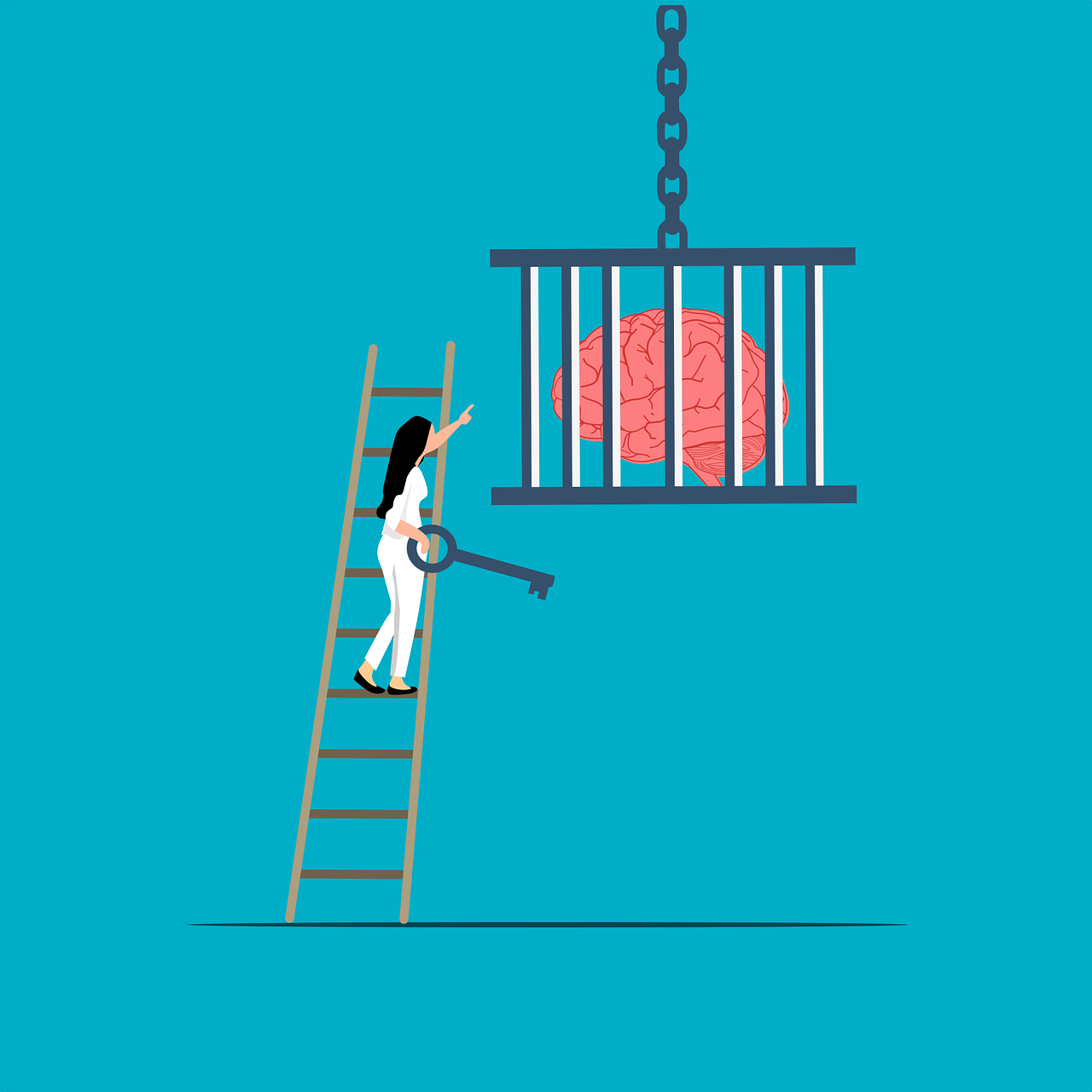
Stress is a natural part of life, but too much of it can negatively affect your health and happiness. Learning how to manage stress effectively is essential to living a balanced and fulfilling life. Let’s explore what stress is, how it impacts us, and the best stress management techniques to manage it.
Table of Contents
Understanding Stress
What Is Stress?
Stress is your body’s response to challenges or demands. It can be triggered by external factors, such as work deadlines, or internal factors, like personal worries. While some stress can motivate you to perform better, excessive or chronic stress can harm your health.
Types of Stress
- Acute Stress: Short-term stress that arises from immediate challenges, such as meeting a deadline or preparing for a presentation.
- Chronic Stress: Long-term stress that results from ongoing challenges, such as financial difficulties or relationship problems. Over time, chronic stress can take a significant toll on your physical and mental health.
Common Causes of Stress
Stress can stem from various sources, including:
- Work pressures like tight deadlines or heavy workloads.
- Financial difficulties such as debt or unexpected expenses.
- Personal relationships, including conflicts or lack of support.
- Health concerns, whether they involve you or a loved one.
Physical and Mental Effects of Stress
How Stress Affects the Body
Chronic stress can manifest in physical symptoms such as:
- Headaches or migraines
- Fatigue and low energy
- Digestive issues, like stomach pain or bloating
- Weakened immune function, making you more susceptible to illness
Stress and Mental Health
Unmanaged stress can significantly impact mental health, leading to:
- Anxiety and constant worry
- Depression and feelings of hopelessness
- Difficulty concentrating or making decisions
- Irritability and mood swings
Stress Management Techniques
Physical Techniques
- Exercise: Engaging in physical activity releases endorphins, which are natural stress relievers. Activities like jogging, yoga, swimming, or even dancing can improve your mood and reduce tension.
- Yoga: Practicing yoga combines physical movement with mindfulness and controlled breathing. It helps reduce stress, improve flexibility, and promote relaxation. Popular styles like Hatha, Vinyasa, and Restorative yoga can cater to different needs and fitness levels.
Mental and Emotional Techniques
- Meditation: Meditation is a highly effective technique for managing stress and enhancing overall well-being. By practicing mindfulness or engaging in guided meditation, you can clear your mind, reduce anxiety, and promote relaxation. It doesn’t require much time even dedicating just 10 minutes a day can significantly impact your mental clarity and emotional balance. Meditation helps you focus on the present moment, letting go of worries about the past or future, and fosters a sense of inner peace that can carry over into your daily life.
- Journaling: Journaling is a powerful stress management tool that allows you to process your thoughts and emotions in a structured way. By writing down your feelings, you can gain clarity, identify stress triggers, and find solutions to problems. Reflecting on positive aspects of your day in your journal can also help shift your mindset and focus on gratitude, making it an effective way to cultivate a more optimistic outlook. Whether you jot down a few sentences or write in detail, journaling provides a safe space to express yourself and manage stress constructively.
Lifestyle Adjustments
- Healthy Diet: A balanced diet rich in fruits, vegetables, whole grains, and lean proteins can reduce stress. Minimize caffeine, alcohol, and sugary foods, as they can exacerbate stress.
- Adequate Sleep: Ensure you get 7-9 hours of quality sleep each night. A consistent sleep schedule can help your body recover and better handle stress.
Time Management and Organization
Setting Priorities
- Identify your most important tasks and tackle them first. Delegate responsibilities when possible to lighten your load.
Avoiding Procrastination
- Break larger tasks into smaller, manageable steps to make them less overwhelming and easier to complete.
Using Tools to Stay Organized
- Leverage tools like calendars, to-do lists, or productivity apps (e.g., Trello, Notion) to keep track of your responsibilities and deadlines.
Building Emotional Resilience
Developing a Positive Mindset
- Train yourself to view challenges as opportunities for growth. Practice positive affirmations and focus on what you can control.
Cultivating Gratitude
- Maintain a gratitude journal by noting at least three things you’re thankful for each day. This simple practice can shift your perspective and reduce stress.
Strengthening Relationships
- Build and maintain strong social connections. Spending time with loved ones and having a reliable support system can act as a buffer against stress.
Stress Management at Work

Handling Workplace Pressure
- Communicate openly with your colleagues or supervisor about your workload.
- Set realistic goals and break tasks into smaller, manageable parts.
- Take short, regular breaks to recharge during the day.
Balancing Work and Personal Life
- Establish boundaries to separate work from personal time. Avoid checking work emails after hours.
- Prioritize activities that help you unwind, like hobbies or spending time with loved ones.
Quick Stress-Relief Techniques
Five-Minute Relaxation Strategies
- Stretch your body to release tension.
- Listen to calming music to soothe your mind.
- Step outside for fresh air to clear your thoughts.
Long-Term Strategies for Stress Management
Building Healthy Habits
- Incorporate habits like regular exercise, healthy eating, and mindful practices into your daily routine to support long-term stress management.
Practicing Self-Compassion
- Be gentle with yourself during challenging times. Treat yourself with kindness and patience, just as you would a close friend.
FAQs
- What are the signs of stress overload?
- Signs include irritability, fatigue, headaches, trouble sleeping, and difficulty concentrating.
- Can stress have positive effects?
- Yes, short-term stress can boost focus and performance. However, chronic stress is harmful.
- How does exercise reduce stress?
- Exercise releases endorphins, which improve mood and reduce tension.
- What are some quick ways to calm down?
- Try deep breathing, stretching, or listening to calming music.
- How do I help someone who is stressed?
- Offer a listening ear, encourage them to take breaks, and suggest